Gaucho Tour Buenos Aires
Facts & Context

Are There Still Gauchos in Argentina

The gaucho is often filed away as a nineteenth-century figure, somewhere between the cowboy and the folk ballad. In the pampas west of Buenos Aires, that filing is wrong. This are there still gauchos in argentina guide explains who still rides for a living, what has changed, and where the working culture is open to visitors.

9 min read Updated 2026-08-14 Fact-checked
Are There Still Gauchos in Argentina

Quick answer

Yes. Gauchos still work Argentina's cattle country today, and the town most associated with them, San Antonio de Areco in Buenos Aires Province, receives visitors seven days a week from 09:00 to 17:00. Independent entry to the town is free; organised ranch visits are arranged separately. The caveat: numbers are far smaller than a century ago, and the trade now mixes horseback stockwork with tourism income.

In 1895 the Argentine census counted cattle in the tens of millions and the men who moved them on horseback as an ordinary rural occupation. Today the herds remain, but the payroll has shrunk. Mechanised transport, fenced paddocks and soy expansion across the pampas replaced much of the labour that once required a rider. What survived is narrower and, in some ways, more deliberate. So when travellers ask are there still gauchos in argentina, the honest answer involves both a yes and a qualification. The qualification matters. A gaucho in 2026 is usually a salaried ranch hand — a peón de campo — working cattle on an estancia in Buenos Aires, Corrientes, Santa Fe or Córdoba province. He may drive a pickup to the far paddock and ride out from there. The bombachas, the rastra belt, the facón knife and the mate gourd are still in daily use, not costume. Sheepdogs, branding season, and the long silences of pampas work continue much as they did. What has changed is that the trade is no longer anonymous. Since the 1930s, when writer Ricardo Güiraldes set Don Segundo Sombra in San Antonio de Areco, that town has carried the culture as an identity as well as a job. Areco, roughly 110 kilometres northwest of the capital, is where most visitors encounter the tradition. Silversmiths still work rastras and stirrups by hand. The Museo Gauchesco Ricardo Güiraldes holds saddlery, criollo horse pedigrees and rural artefacts. Each November the Fiesta de la Tradición fills the streets with riders. Between festivals, the surrounding estancias keep the rhythm going year-round, which is why a gaucho day trip from Buenos Aires reliably delivers something real rather than staged. Readers weighing whether to make the journey should treat the answer as practical, not romantic. The riding demonstrations are genuine skills performed by people who use them at work; the asado is the ranch's own meal. Visitors who want the version with fewest onlookers should aim for a weekday outside the November festival window. Those researching are there still gauchos in argentina before booking will find the remaining sections of this site cover arrival timing, transport, admission and the full weekly schedule in detail. The short version: the culture is alive, it is working, and it is reachable in a single day from the city.

“The bombachas, the rastra belt and the mate gourd are still in daily use, not costume.”
Facts

Are There Still Gauchos in Argentina Today?

The gaucho remains a central figure in Argentina's rural identity, having transitioned from a nomadic 18th-century horseman to a skilled professional in modern ranching. Today, they continue to manage livestock and maintain traditions on working estancias across the Pampas.

1.

18th-century origins

Gauchos first emerged as nomadic, horse-mounted workers who lived off the land in the vast Pampas region during the 1700s. They were characterized by their deep connection to the horse and their expertise in cattle handling.

2.

1810 independence role

Gauchos played a vital part in the Argentine War of Independence, serving as skilled irregular cavalry units under leaders like Martín Miguel de Güemes. Their knowledge of the terrain made them essential in securing the nation's borders.

3.

Cultural icon status

The publication of the epic poem Martín Fierro by José Hernández in 1872 solidified the gaucho as a symbol of national identity. This work romanticized their independent lifestyle and struggle against encroaching modernization.

4.

Modern estancia labor

Many present-day gauchos work on working cattle ranches, or estancias, where they perform essential tasks such as livestock herding, fence maintenance, and equipment care. They combine traditional horsemanship with contemporary agricultural techniques.

5.

Skills in equestrian tradition

The gaucho's training remains deeply rooted in traditional methods, often utilizing the 'doma racional' or non-violent taming technique. These equestrian skills are frequently displayed during local 'destrezas criollas' or gaucho skill competitions.

6.

Living heritage preservation

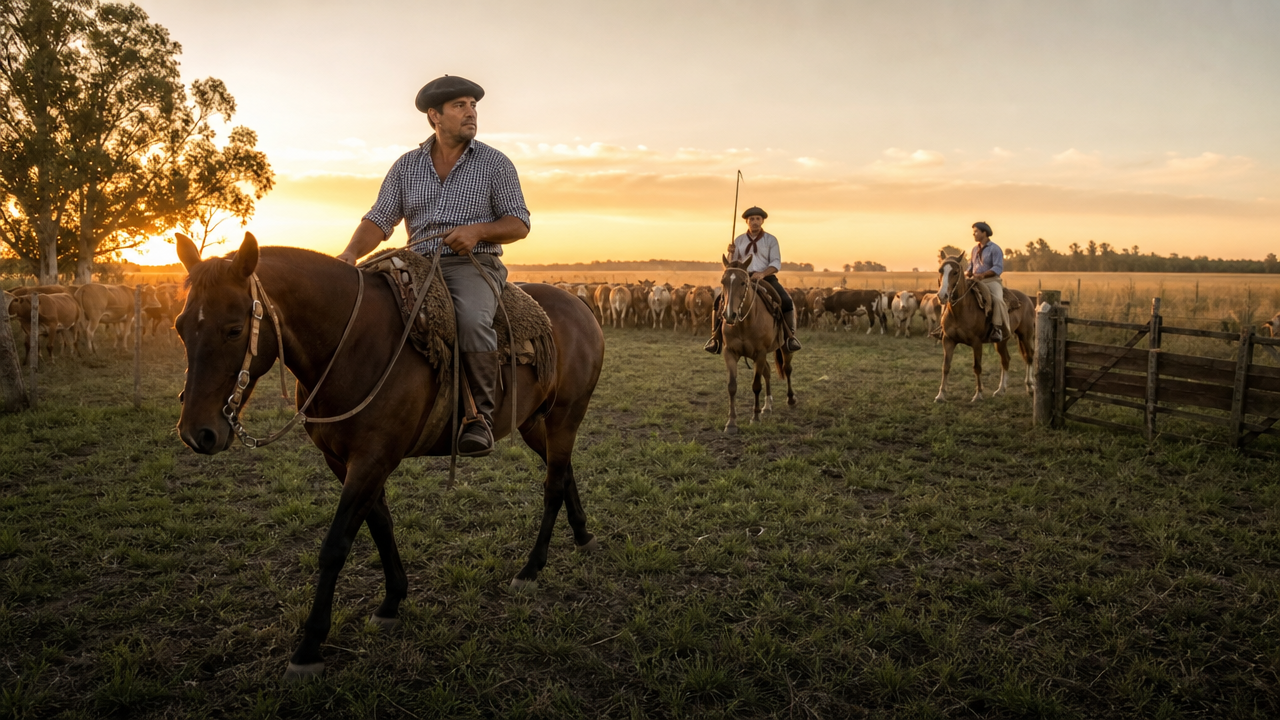
While their daily lives have adapted to modern technology, gauchos preserve cultural heritage through traditional clothing like bombachas, boinas, and the use of the facón. This living history continues to be shared with visitors at ranches throughout the Buenos Aires Province.

What to see

What to Experience When Learning Are There Still Gauchos in Argentina

Visitors to working estancias in San Antonio de Areco encounter authentic gaucho culture through traditional sites and daily ranch operations. These spaces provide direct insight into the skills, equipment, and environment that sustain the gaucho lifestyle today.

The Casco (Main House)

The Casco (Main House)

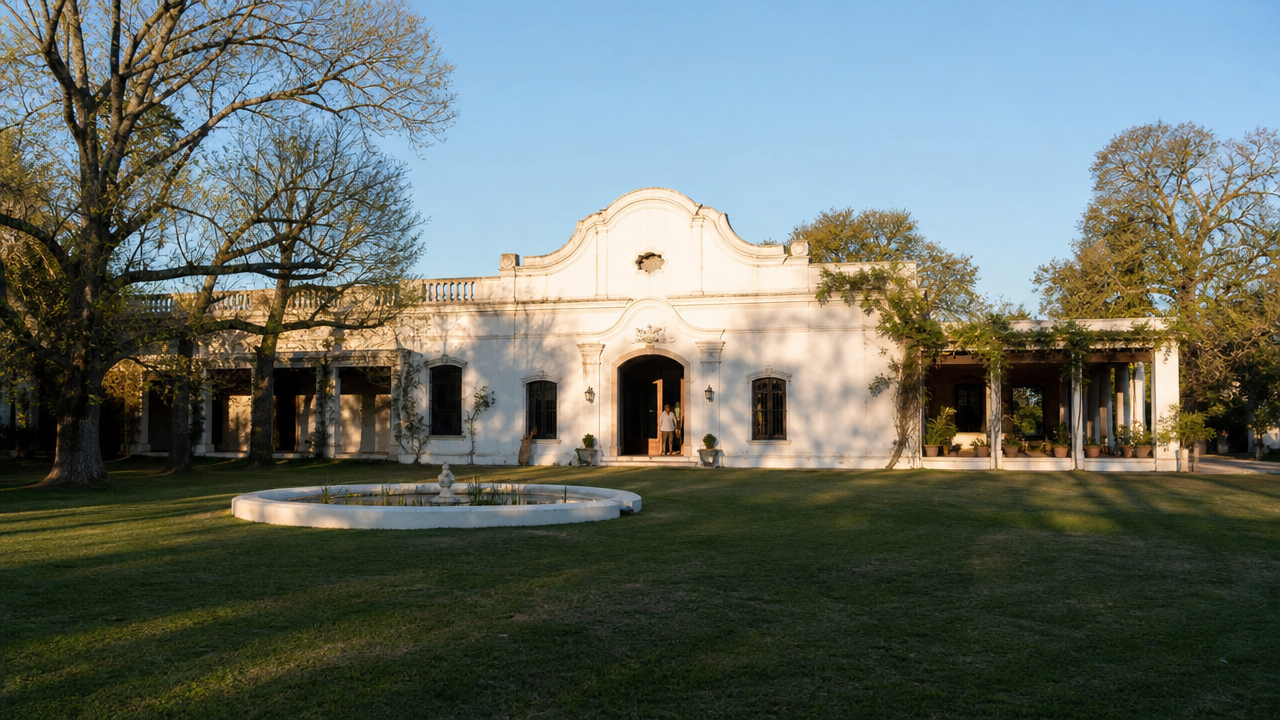
The heart of the estancia where architecture reflects 19th-century rural life and daily management. Observe the central courtyard layout to understand how ranch owners and gauchos interacted historically.

Look for original construction details in the main living quarters.
The Talabartería (Tack Room)

The Talabartería (Tack Room)

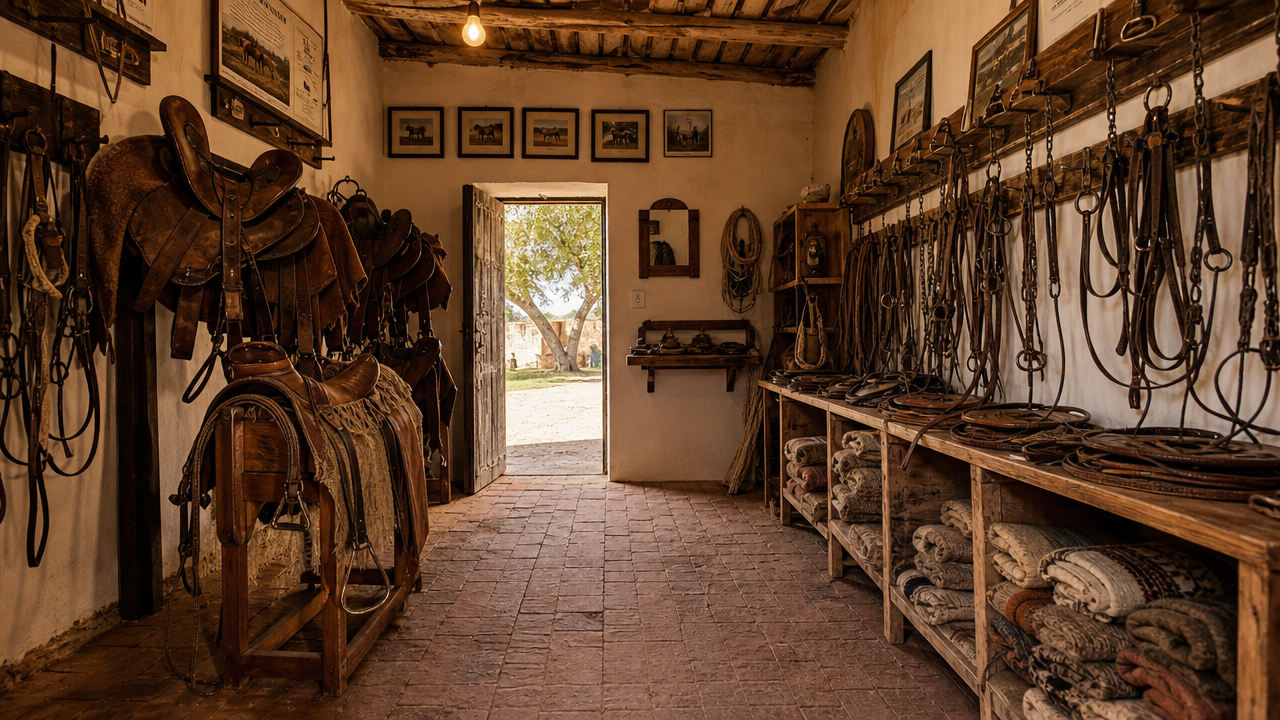
This space stores the intricate leather saddles, bridles, and lassos essential for equestrian work. Examine the craftsmanship of the recado (saddle) to see how it differs from modern riding gear.

Ask to see the silverwork detailing on traditional gaucho gear.

The Corrales (Working Pens)

The Corrales (Working Pens)

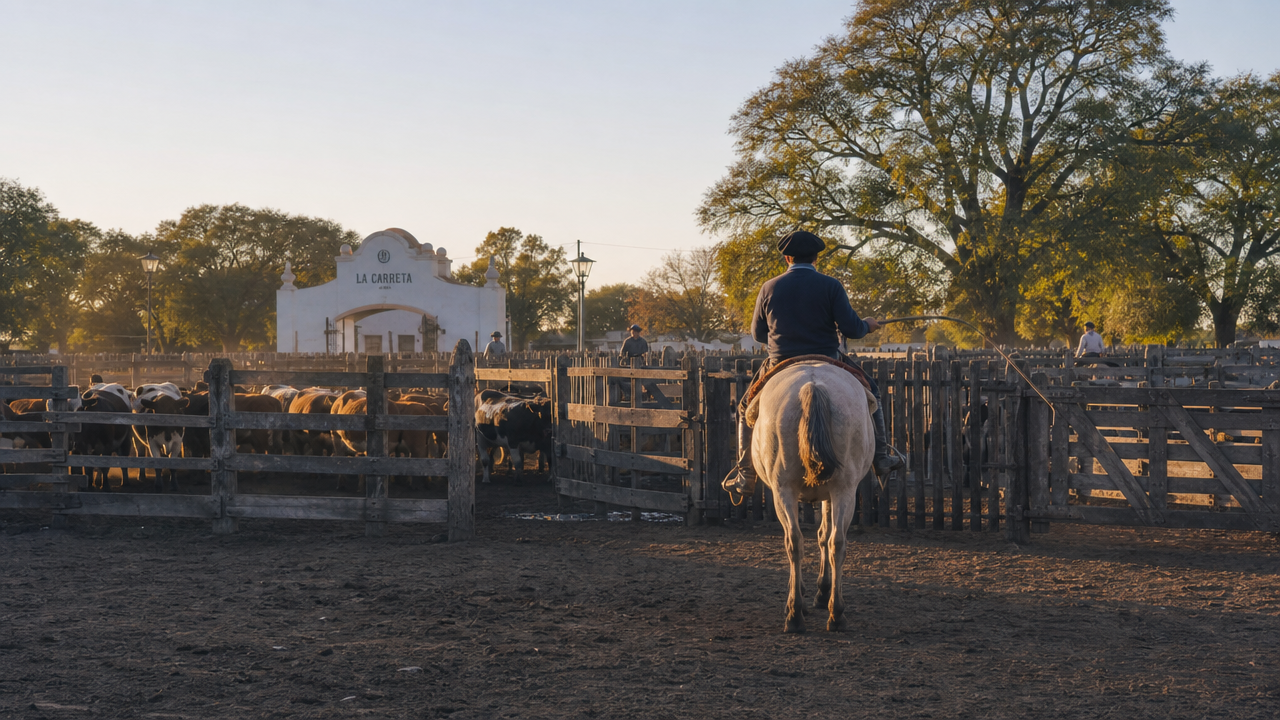
These enclosures serve as the stage for livestock handling and equestrian demonstrations. Stand near the fence line during morning activities to watch how gauchos utilize traditional herding techniques.

Watch the interaction between the gaucho and the horse.

The Open Field (Pampa)

The Open Field (Pampa)

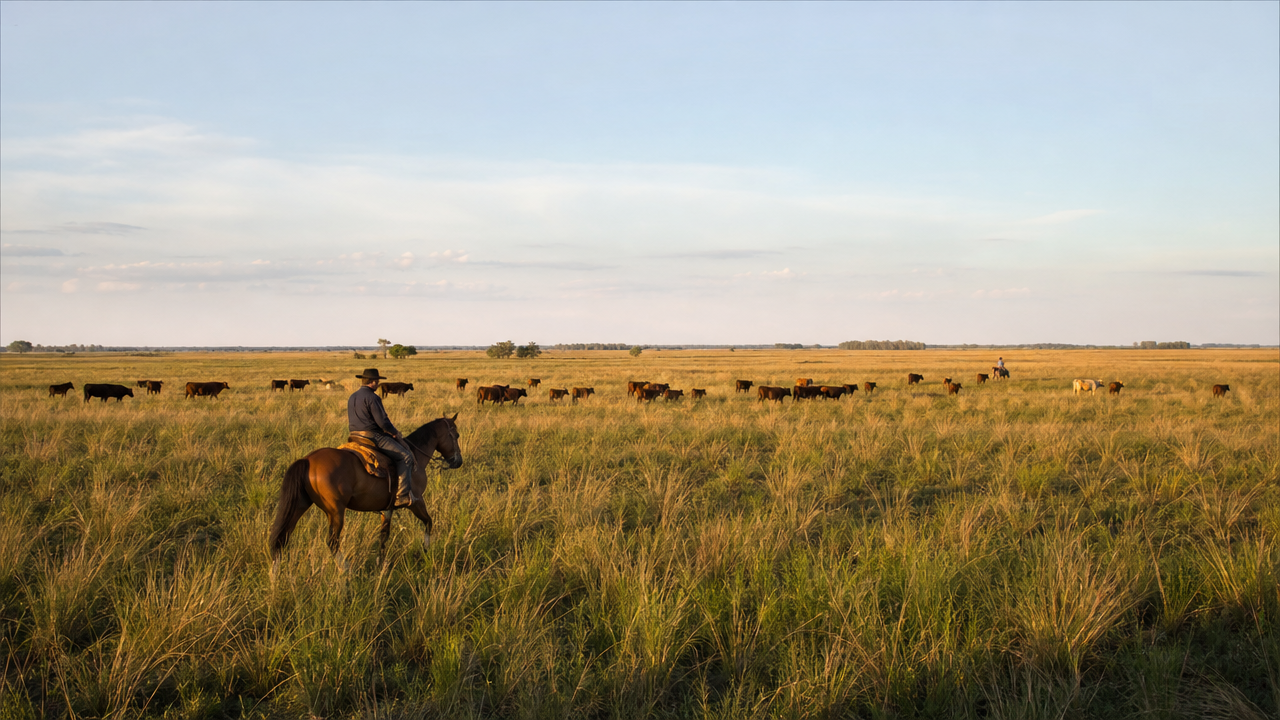
The vast pasturelands where gauchos oversee cattle and demonstrate horsemanship skills. Position yourself to observe the scale of the landscape and the mobility required for ranch maintenance.

Stay toward the perimeter to view grazing patterns without distraction.

Directions

How to Get There and Discover Are There Still Gauchos in Argentina

San Antonio de Areco is located in the Buenos Aires Province, approximately 115 kilometers from the capital city. The most practical approaches are by private vehicle or long-distance bus.

Bus 2 hours

Terminal de Ómnibus de Retiro to San Antonio de Areco

Car 1.5 to 2 hours

National Route 8 (RN8)

The best arrival window is 09:00–11:00. Arriving within this timeframe ensures you have sufficient daylight to explore the rural ranch environment and observe equestrian demonstrations.

Prices

Entrance Fees for Estancias Where Are There Still Gauchos in Argentina

Admission fees for visiting estancias in San Antonio de Areco depend entirely on how you choose to visit. While the town and the rural landscape remain open, individual ranches operate under distinct policies.

Independent visit Applies to private independent visits
0 USD
Organized tour Tour services carry separate costs.
Price varies by provider
Entrance is 0 USD for private independent visits to the general area.

Verdict: Independent visitors pay 0 USD, while those booking an organized estancia tour will pay fees set by their chosen service provider.

Opening hours

Opening Hours to Explore Where Are There Still Gauchos in Argentina

The sites and estancias in San Antonio de Areco maintain consistent operating hours throughout the week to welcome visitors interested in gaucho culture.

monday
09:00–17:00
tuesday
09:00–17:00
wednesday
09:00–17:00
thursday
09:00–17:00
friday
09:00–17:00
saturday
09:00–17:00
sunday
09:00–17:00
Visitors are encouraged to arrive within the recommended window to ensure full access to ranch activities.
Book

Check availability

Frequently asked

Common questions about the gaucho culture in Argentina

Everything you need to know about are there still gauchos in argentina

Are there still gauchos in Argentina today?

Yes, there are still gauchos in Argentina who maintain traditional customs on working ranches. They remain a vital part of the cultural landscape, particularly in the pampas region. Exploring rural history is a common reason visitors ask are there still gauchos in Argentina during their travels.

What is a typical Buenos Aires estancia tour?

A typical estancia tour offers visitors an immersion into rural life, featuring traditional food, music, and horseback riding. Many travelers seek out these experiences to learn more about the heritage behind the question are there still gauchos in Argentina. These outings provide a authentic look at the daily operations of a functioning ranch.

Do I need to pay for a private ranch visit?

Independent private visits to the location in San Antonio de Areco have an entrance fee of 0 USD. Please note that organized tours through providers are priced separately and include additional services. You should check your booking details if you are utilizing a third-party tour operator.

Are there still gauchos in Argentina participating in equestrian demos?

Visitors frequently watch skilled riders perform traditional equestrian demos on ranches. These demonstrations prove that the lifestyle remains active, helping answer whether are there still gauchos in Argentina. These displays of horsemanship are a core component of the ranching tradition.

When is the best time to see gauchos in Argentina?

The best arrival window is 09:00–11:00 to maximize daylight hours for outdoor activities. Arriving early ensures you have enough time to experience the full range of ranch demonstrations and local customs. Consistent scheduling helps visitors make the most of their rural excursion.

Can I visit a traditional estancia independently?

Yes, you are welcome to visit the ranching region independently during public opening hours. The site is open daily from 09:00–17:00 to accommodate visitors interested in this history. Plan your logistics in advance to ensure a smooth trip to the Buenos Aires province.

What is the dress code for visiting an Argentine estancia?

There is no formal dress code, though comfortable clothing and sturdy footwear are recommended for outdoor ranch activities. Dressing in layers is often helpful due to changing weather conditions in the pampas. Keep in mind you will likely be walking on uneven ground or participating in light farm activities.

Is it common to see gauchos in Argentina outside of tours?

While the traditional gaucho lifestyle is centered in rural areas, you may occasionally see cultural exhibitions in urban settings. However, the most authentic way to observe their work is by visiting a working estancia. This is why many tourists prioritize a dedicated visit to the countryside.

Keep reading

More guides & pages